Launching soon. CAI-1 “AI Foundations” will be free, for everyone.Launching soon · CAI-1 is freeSee the credential ladder →

We publish our thinking. The rest of the industry publishes nothing.

How you build a certification is a claim about how much you trust it to be inspected. Here’s ours, in the open.

A certification you can’t inspect is asking for blind faith.

We’d rather earn trust the hard way — by writing down how we assess, why we made the calls we made, and what the results actually are. These are the first three essays; more follow as we launch.

The arguments behind the standard.

Essay 01

Evidence over Attendance

Why certification broke — and what replaces it.

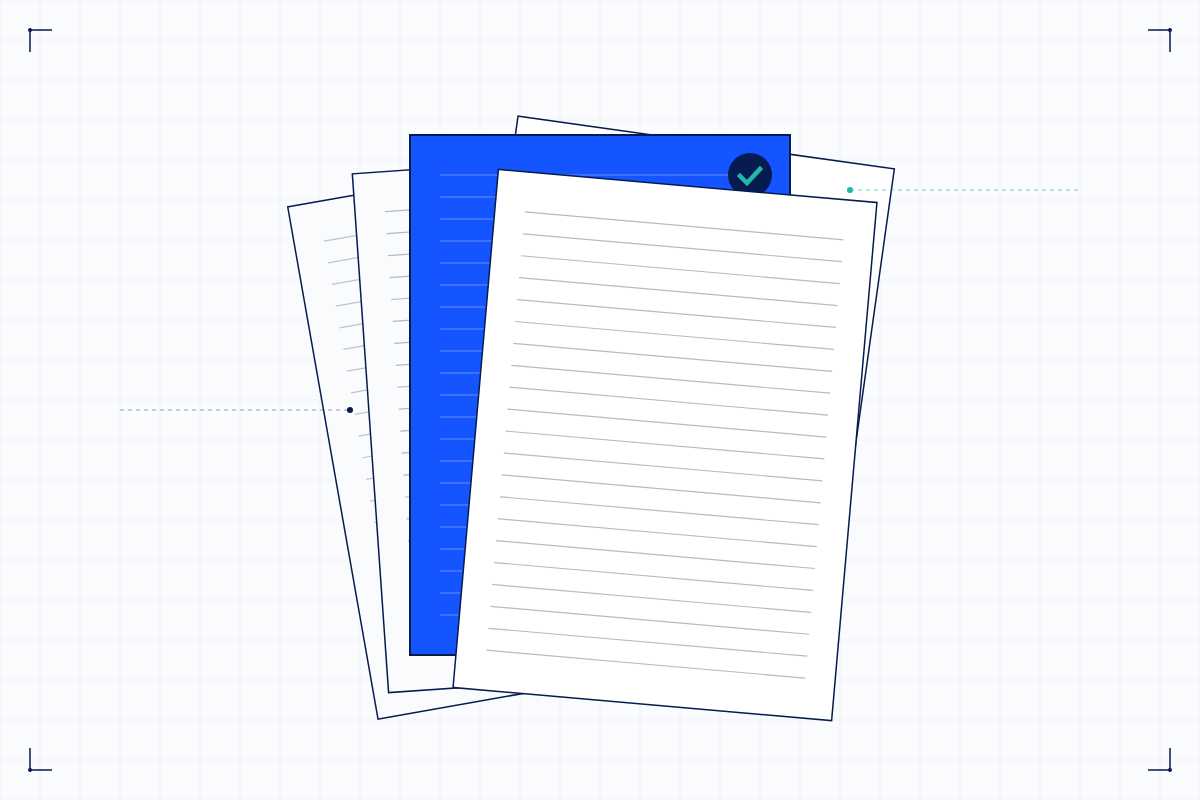
For decades a certificate mostly proved attendance: you showed up, passed a quiz, and got a badge. AI made that signal worthless. This essay makes the case for performance-based certification built around real work products, published rubrics, and credentials that carry the graded work as evidence.

Coming with launch
Essay 02

The Open-AI Exam

Why letting candidates use AI is the more rigorous test.

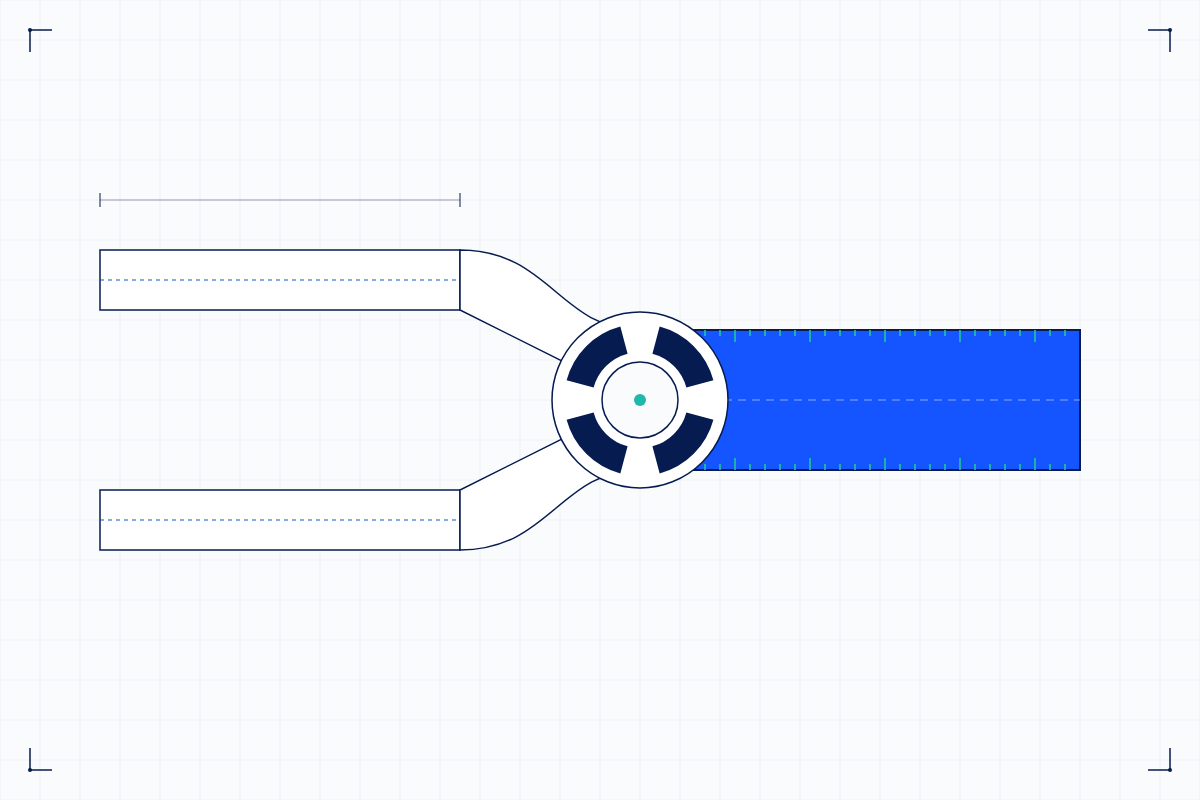
An AI-free exam certifies a version of the job nobody does. An open-AI exam can test the skills that decide whether AI work is any good: delegation, judgment, and verification. This essay explains how Certavant grades both the work product and the process behind it.

Coming with launch

Essay 03

What Employers Can Actually Trust

The verification problem, and why an evidence page is the answer.

Employers already want to pay for AI skill. The problem is that most credentials are impossible to trust because there’s nothing behind them to inspect. This essay makes the case for putting the graded work on the credential itself as a public evidence page.

Coming with launch

We’ll publish the method and the results.

The research library opens when Certavant launches. Until then, the standard page sets out the exam design, the human decision model, and the statistics we commit to publishing.